

New Pet-Friendly Condo Rules in Thailand (2026): What Renters and Owners Need to Know



In Short
Advice
If you live in Bangkok, you have probably noticed a significant shift in the property market. More and more condos are advertising themselves as "Pet-Friendly," catering to the growing number of residents who treat their dogs and cats like family members.
However, moving into a condo with a pet in Thailand has traditionally been a gray area filled with confusion. Can the Juristic Person ban your dog? What happens if your neighbors complain? Is that "pet-friendly" label legally binding, or just a marketing gimmick?
Things are changing. With the Bangkok Metropolitan Administration (BMA) Ordinance on Animal Keeping and Release Control (2024) set to come into full force in January 2026, there are brand new legal standards that every pet owner, landlord, and condo buyer must understand.
In this guide, we will break down exactly what these new rules mean for you, how the law interacts with Condo Juristic Person regulations, and how to find a home where your furry friend is truly welcome.
The New BMA Ordinance: A Game Changer for 2026
The biggest news in the Thai real estate world regarding pets is the new BMA ordinance. While published in the Royal Gazette in early 2025, the full enforcement of these rules begins on January 10, 2026.
This law is designed to standardize pet ownership in the capital, ensuring hygiene and reducing conflicts between neighbors. It introduces strict limits on the number of pets you can own based on the size of your living space.
1. Space-Based Pet Limits
Gone are the days of keeping five cats in a studio condo. The new law links the number of allowed pets directly to the square meterage of your unit:
- Condos/Rooms 20–80 sqm: Maximum of 1 pet.
- Condos/Rooms larger than 80 sqm: Maximum of 2 pets.
- Landed Property (Townhouses/Single Houses):
- Up to 20 sq. wah (approx. 80 sqm): Max 2 pets.
- 20–50 sq. wah (approx. 80-200 sqm): Max 3 pets.
- 50–100 sq. wah (approx. 200-400 sqm): Max 4 pets.
- Over 100 sq. wah (approx. 400+ sqm): Max 6 pets.
Note for Existing Pet-Owners: If you currently have more pets than the new limit allows, do not panic. The law includes a "grandfather clause." You can keep your existing pets provided you register them with your local district office by April 9, 2026. However, you cannot replace them once they pass away if you are still over the limit.
2. Mandatory Registration and Microchipping
Under the new rules, anonymity is no longer an option. All dogs and cats in Bangkok must be:
- Microchipped: This must be done by a licensed veterinarian.
- Registered: You must register your pet with the local district office (or via designated BMA channels) within 120 days of birth or 30 days of bringing them into Bangkok.
- Vaccinated: Proof of rabies vaccination is mandatory for registration.
Failure to comply with these registration rules can result in fines up to 25,000 THB.
3. Dangerous Breeds
If you own a breed classified as "aggressive" or "controlled" (such as Pit Bulls, Rottweilers, or Bull Terriers), stricter rules apply. When in public or common areas, these dogs must wear a muzzle and be kept on a strong leash no longer than 50 cm.
The "Juristic Person" Rule: Who actually holds the power?
This is the most critical point that many renters and buyers misunderstand. The BMA Ordinance sets the maximum limits, but your Condo Juristic Person (CJP) sets the house rules.
According to the Thai Condominium Act, the co-owners of a building (acting through the Juristic Person Committee) have the right to establish bylaws for the management of the building.
Here is the reality check:
- Can a condo ban pets even if the BMA says I can have one? Yes. If your condo’s bylaws (regulations registered with the Land Department) specifically state "No Pets Allowed," that rule overrides the BMA’s general allowance. You cannot use the BMA law to force a condo to accept your dog.
- Can the rules change? Yes. A "Pet-Tolerant" building can become a "No Pet" building if the co-owners vote to change the bylaws at an Annual General Meeting (AGM). This is why relying on a building that just "looks the other way" is risky.
The Lesson: Always look for buildings that are explicitly constitutionally pet-friendly in their bylaws, not just buildings where the guards are nice to cats.
"Pet-Friendly" vs. "Pet-Tolerant": Know the Difference
When searching for a condo in Bangkok, you will encounter two types of buildings. Knowing the difference can save you from eviction and fines.
1. Truly Pet-Friendly (Verified)
These are condos designed with pets in mind. They have specific clauses in their regulations allowing animals.
- Pros: Legal protection for your pet, often have dedicated dog runs or pet zones, clear rules on elevators and common areas.
- Cons: Often command a price premium due to high demand.
- Typical Rules: You usually have to register the pet with the management office, pay a small yearly fee, and sometimes submit a DNA sample (for poop tracing!).
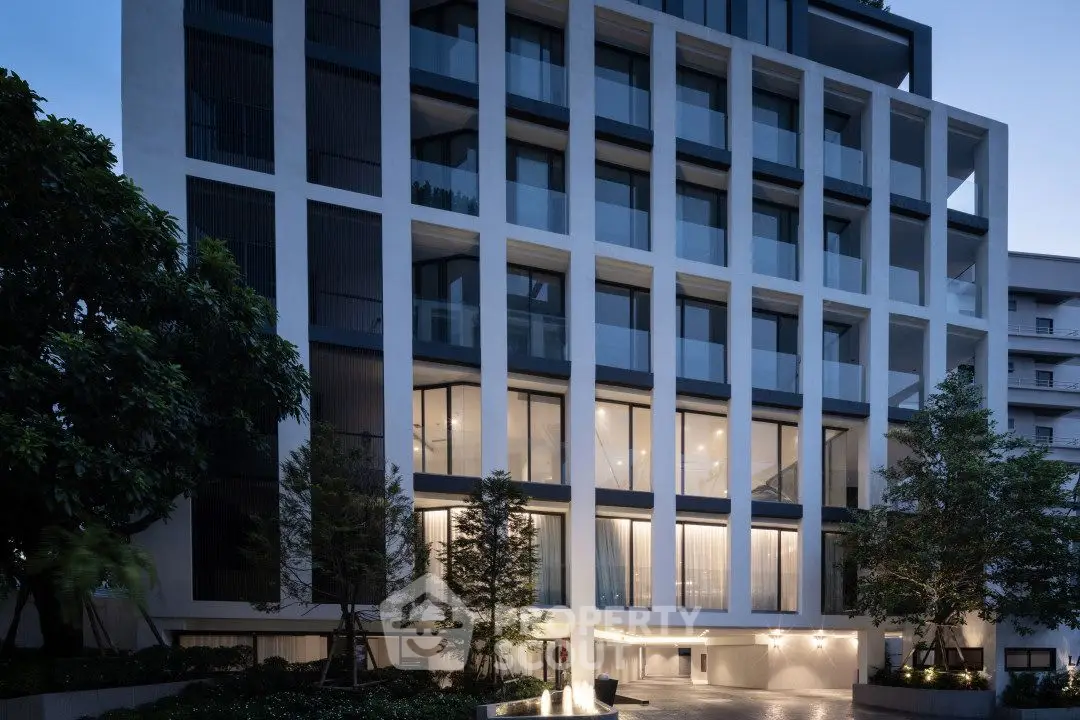
Examples include La Citta Delre Thonglor 16, Le Nice Ekamai, Qube Suites Sukhumvit 46 and the Maru Ekkamai 2. For more choice, you can easily use PropertyScout's filtered search function, which not only allows you to filter for pet-friendly accommodations, but also to specify your budget, explore options in your desired location, and compare different projects or units.
2. Pet-Tolerant (Risky)
These are older buildings or relaxed condos where residents have kept cats quietly for years. Agents might tell you, "It's fine, nobody checks."
- Risk: If a new Juristic Manager is hired or a neighbor complains about barking, you have zero legal standing. You could be fined daily until the pet is removed.
- PropertyScout Advice: We strongly advise against signing a 12-month lease in a "Pet-Tolerant" building unless you have written permission from the landlord and the Juristic Person.
Essential Tips for Renters and Buyers in 2025
If you are looking for a new home for you and your four-legged friend, follow this checklist to ensure a smooth move.
1. Verify the Bylaws
To be on the safe side and avoid relying on vague or potentially outdated information or statements, ask to see the Condo Rules & Regulations handbook. Look for the specific clause regarding animals.
2. Check the Size Limits
Even in pet-friendly buildings, there are often weight and size restrictions.
- Standard Rule: Many condos limit pets to small breeds (under 10-15 kg).
- Large Breeds: If you have a Golden Retriever or Husky, your options are significantly more limited. You might need to look at specific luxury projects or consider renting a townhouse instead.
3. The "Pet Deposit"
Landlords are increasingly asking for a "Pet Deposit" in addition to the standard security deposit. This covers potential scratches on furniture or deep cleaning for dander. This is standard practice in 2025, so budget for it.
4. Respect the Common Areas
The new BMA law emphasizes public responsibility. Even inside a pet-friendly condo, you must usually:
- Carry your pet in the lobby/elevator (or use a stroller).
- Only walk them in designated "Pet Zones," not the main garden or pool deck.
- Ensure they do not disturb neighbors with excessive noise.
Conclusion
The landscape for pet owners in Thailand is becoming more regulated, which is ultimately a good thing. The new BMA laws provide clarity on ownership limits and responsibilities, while the rise of official "Pet-Friendly" developments gives owners more safe choices than ever before.
However, the legal details can still be tricky. The last thing you want is to sign a contract and then find out your Golden Retriever isn't welcome because the unit is only 40 sqm, or because the Juristic Person strictly forbids dogs.
Don't leave your pet's home to chance. At PropertyScout, we maintain the most up-to-date database of verified Pet-Friendly condos in Bangkok. We know which buildings truly welcome pets, which ones have weight limits, and which ones have the best parks nearby.
FAQs
Lorem ipsum dolor sit amet, consectetur adipiscing elit. Suspendisse varius enim in eros elementum tristique.
