Keeping a Cat in a Condo, How to Prepare the Unit So It Is Safe and Livable


In Short
Advice
Key Highlights
- Three jobs come before the cat arrives, get the pet rule in writing, seal every gap a cat can slip through, and set up the litter trays before moving day
- Balconies and windows are the risk to close first. A study of 1,125 feline high-rise cases found the most common fall height was 8 to 15 metres, which is only the third or fourth floor
- Vets recommend one litter tray per cat plus one spare, placed in separate corners rather than lined up together
- A small unit works if you add vertical space and hiding spots, following the AAFP and ISFM Feline Environmental Needs Guidelines
Can You Really Keep a Cat in a Bangkok Condo?
Yes, and thousands of residents do. The short answer to what to prepare to keep a cat in a condo comes down to three things, written proof that the building allows pets, sealed balcony and window openings, and enough toileting spots for the number of cats you have. All three belong before move-in day, not after.
The order matters because the first two are hard to undo. If the building does not permit pets and management finds out, your options narrow to moving out or rehoming the cat. A fall from a balcony takes seconds, and it most often happens in the first week while the cat is still exploring an unfamiliar space.
For foreign residents there is one extra step worth taking. House rules are usually written in Thai only, so ask your agent or the juristic office for the exact clause and have it translated before you sign anything. A marketing brochure that says pet-friendly is not the same document as the regulations the committee enforces.
Three Things to Do Before the Cat Comes In
This list is in the order you should actually do it, not in order of difficulty.
- Get the pet clause in writing, both from the condominium regulations and from your lease. A message from the agent is not enough, because regulations can be amended by a resolution of the co-owners general meeting under the Condominium Act, and tenants absorb the consequences when that happens
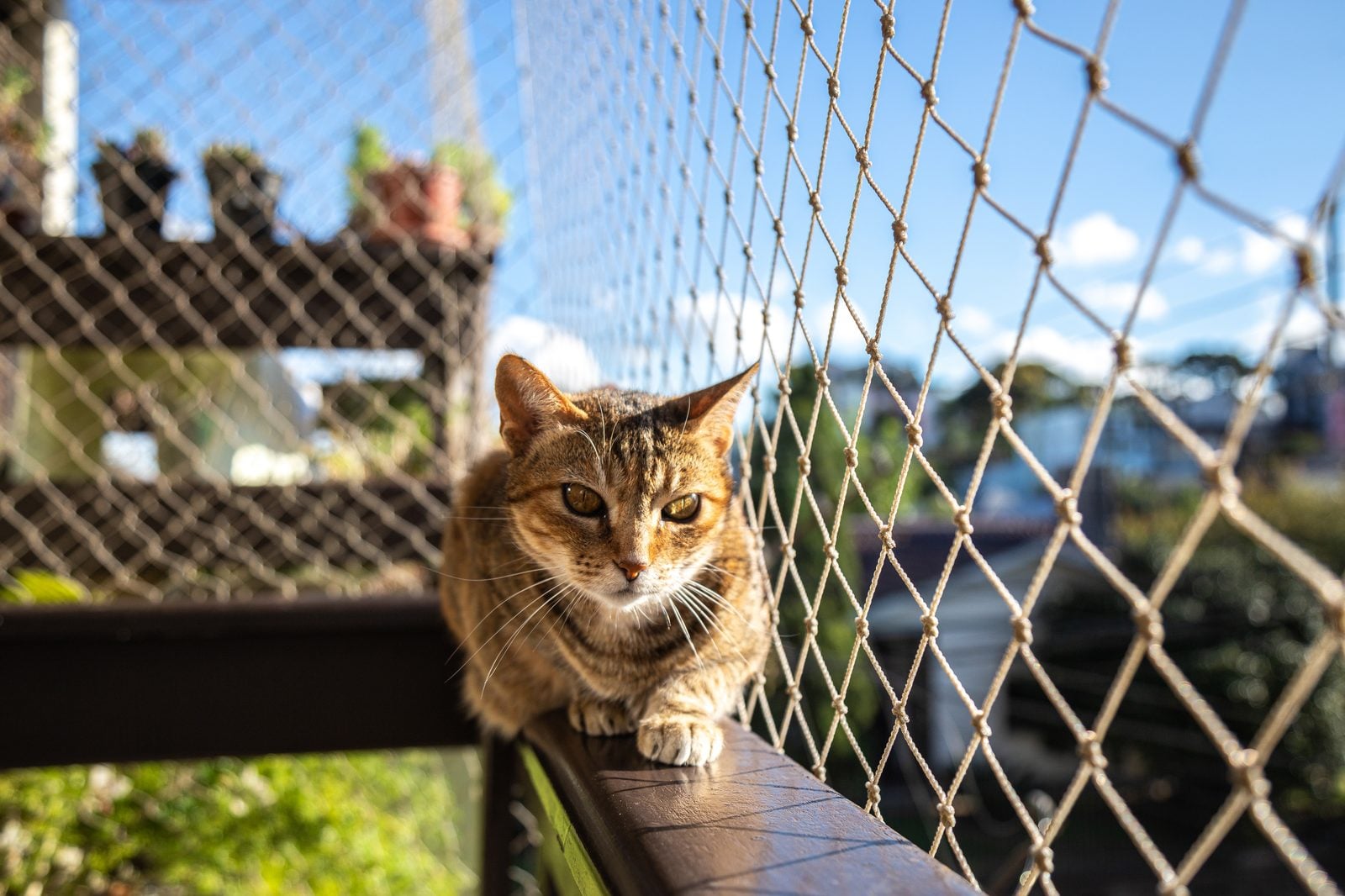
- Seal every fall risk before the moving truck arrives. That means the balcony railing, the gap beneath it, ventilation louvres above doors, and any sliding window left ajar for airflow
- Set up litter trays, water bowls, feeding stations and a scratching post before the cat walks in. A cat that cannot find a toilet in a new home will choose soft flooring instead, and that habit is far harder to correct than getting the setup right on day one
How Do You Close the Fall Gaps on Balconies and Windows?
The numbers worth knowing come from research into feline high-rise syndrome covering 1,125 feline patients treated between 2004 and 2013 at the small animal clinic of Freie Universitat Berlin, published in the Journal of Feline Medicine and Surgery in 2025.
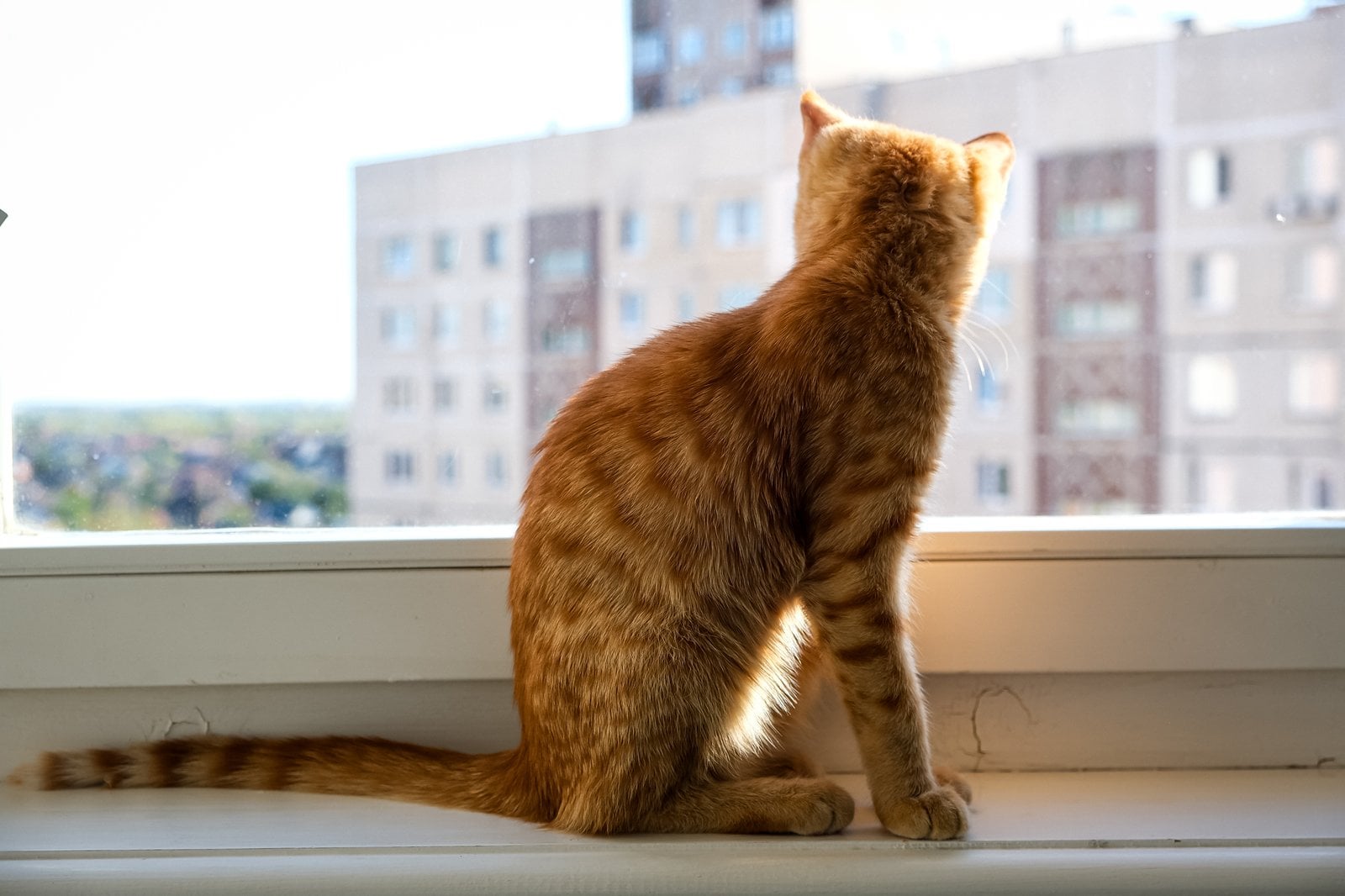
Three findings overturn what most owners assume. The most common fall height was 8 to 15 metres, the equivalent of the third or fourth floor rather than the twentieth. Some 77 percent of incidents happened between April and September, the months when windows and balcony doors stay open. And the median age of the cats was 2.3 years, meaning the fittest and most agile animals in the household.
The companion paper reports that 87 percent of cats survived, but 92.4 percent had musculoskeletal injuries and 58.3 percent had chest trauma. Surviving a fall is not the same as walking away from it, and in Bangkok the emergency and orthopaedic bills that follow are substantial.
How Far Should Netting and Screens Actually Cover
The working rule is to close anything a cat's head fits through, because where the head goes the body follows. Four openings get missed most often, the gap between the balcony floor and the bottom rail, the side gap where the balcony meets the neighbouring wall, ventilation louvres above the bathroom or entrance door, and a sliding window left open by a hand's width.
Netting should cover the full opening from floor to the underside of the balcony ceiling, not just up to railing height, because a cat clears a railing in one jump. Standard insect screens sold for mosquitoes rarely hold the weight of a cat launching at them. If you use screens, choose a pet-resistant grade or add a second layer of netting on the inside.
Which Materials Can Be Installed Without Breaking Building Rules
Here is where installations get torn out. The balcony itself is private property, but the exterior wall and the appearance of the building fall under the juristic person's regulations. Drilling a steel frame into the outer wall, or fitting anything visible from the street that makes your unit look different from the rest, usually counts as an alteration that needs approval first.
The easiest approvals go to non-drilling systems, tension poles braced between floor and ceiling, or frames clamped to the existing aluminium window surround, paired with netting in a colour close to the building's own frames so nothing changes from the outside.
Send photos and the fixing method to the juristic office before you order anything, and ask for the answer in writing. It takes a few days and removes the risk of a removal order later, which costs far more than the installation itself.
How Do You Arrange a Small Unit for a Cat?
The Feline Environmental Needs Guidelines published by the American Association of Feline Practitioners and the International Society of Feline Medicine do not set a floor area per cat. They set a number of choices the cat must have, which is far more useful in a Bangkok one-bedroom.
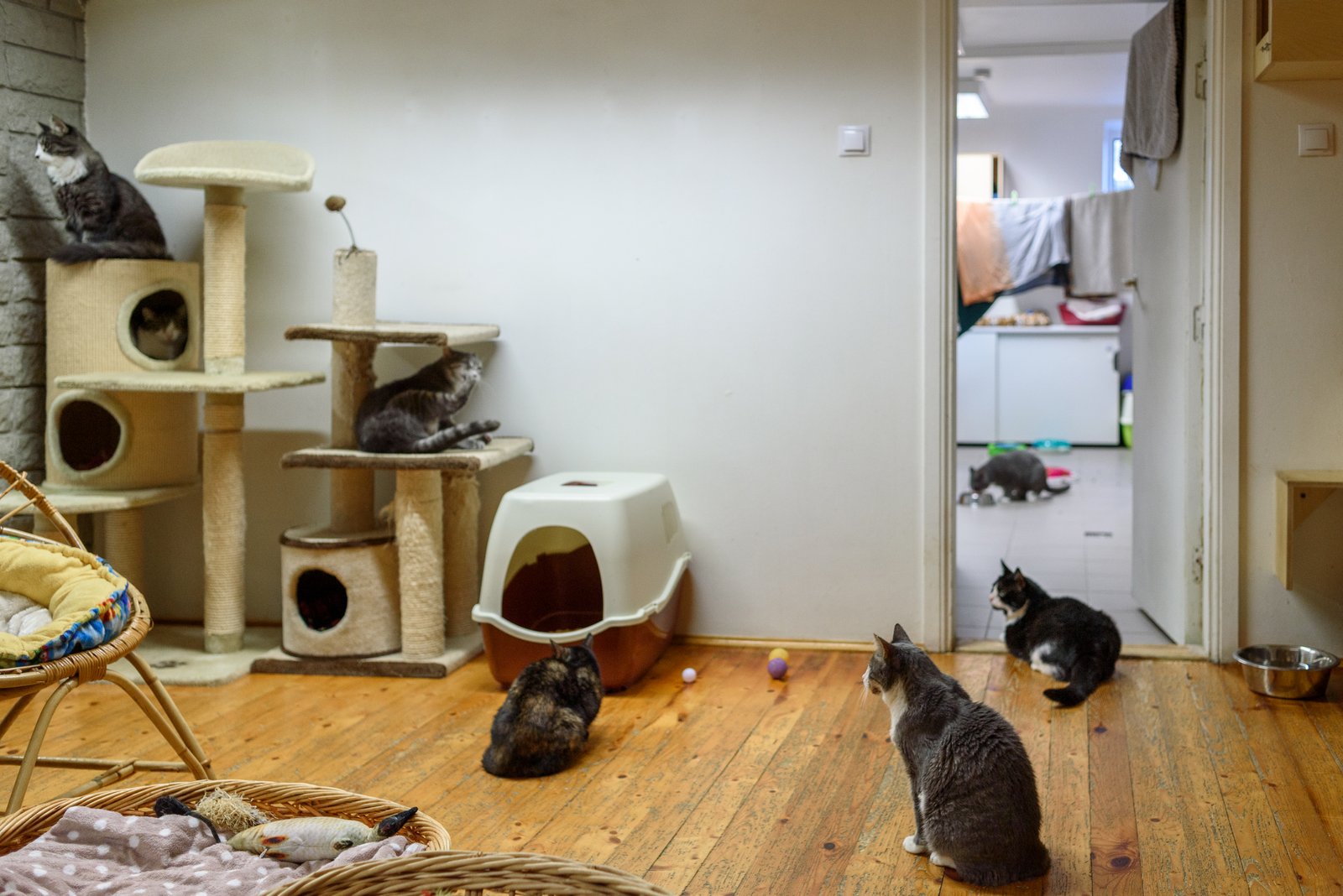
Two points apply directly to condo living. There should be at least as many safe hiding places as there are cats in the home, and each resource needs a minimum of two options, meaning two resting areas, two feeding areas and two toileting areas. A studio with everything stacked in one corner fails that test even when the square metres would suggest otherwise.
Vertical Space and Hiding Spots a Cat Needs
Condos are short on floor area but never short on wall height. Wall-mounted shelves, a tall cat tree, or simply arranging a wardrobe and bookshelf into a climbable staircase all expand the cat's usable territory without taking a single square metre of floor.
The guidelines note that an elevated spot matters because it lets a cat monitor its environment, so position at least one perch with a view of the entrance door. Hiding spots need to be genuinely enclosed, a box with one entrance or a clear space under the bed, somewhere the cat can disappear from view completely.
If you host guests often or share the unit, add a second hiding spot in the bedroom. A cat with no line of retreat tends to signal stress by toileting outside the tray or scratching furniture, two behaviours owners commonly misread as defiance.
Where to Put the Litter Tray and How to Manage Odour
The number of litter trays follows the same rule everywhere, one per cat plus one spare. Thai veterinary sources including Pakkret Animal Hospital and Baanlaesuan Pets, the latter citing a vet from the Chulalongkorn University small animal hospital, give the same figure. Cats often refuse a tray that carries another cat's scent, and too few trays is a known starting point for stress-related urinary problems.
The mistake small-unit owners make is lining all the trays up in one corner, which functionally gives the cat a single toilet. Separate them into different corners of the unit, and keep them away from food and water bowls.
For odour in a space that runs air conditioning most of the day, the schedule that works is scooping once or twice daily, a full litter change every two weeks, and washing the tray monthly, as recommended by Pakkret Animal Hospital. Scooping more often does more for the smell than buying more expensive litter.
A hooded tray suits a small unit because it contains both odour and scattered litter, but only if the cat accepts it. Some cats refuse an enclosed tray outright. If yours does, go back to an open tray and compensate with scooping frequency.
How Many Items Do You Need per Cat?
This list applies the one-per-cat-plus-one rule for litter trays, together with the AAFP and ISFM guidance that hiding places should at least match the number of cats and that every resource needs two options.
| Item | Detail |
|---|---|
| One cat | 2 litter trays in separate corners, 1 elevated perch with a view of the door, 1 enclosed hiding spot, 2 feeding points and 2 water points, and 1 scratching post |
| Two cats | 3 litter trays split across at least 2 corners, 2 perches at heights they do not have to compete for, 2 hiding spots, 2 separated feeding points, and 2 scratching posts |
| Three cats | 4 litter trays, 3 perches at different heights, 3 hiding spots, 3 separated feeding points, and 3 scratching posts |
| Test of whether the unit copes | Not floor area. Set all of the above out and see whether walking routes and play space remain. If you have to step around the setup, the unit is carrying more cats than it can hold |
These are behavioural minimums, not legal requirements. The maximum number of pets allowed per unit is set by each building's own regulations and varies widely between projects, so check that separately.
How Do You Stay on Good Terms With Neighbours?
In buildings that allow pets, the complaints that reach the juristic office are rarely about escaped cats. They are about noise and smell, and both have causes you can fix inside your own unit.
Night-Time Meowing and How to Fix the Cause
Night vocalising in a condo usually traces to three causes, an unneutered cat in season, a cat that burned no energy during the day and switches on after dark, and a cat that is hungry because the last meal came too early.
The fixes in order are to discuss neutering with a vet, add a proper hunting-style play session in the early evening so the cat is genuinely tired before you sleep, and move the last feed closer to your own bedtime. Condo walls handle conversation reasonably well but do very little against a cat's high-frequency call, so behaviour is the lever that works, not soundproofing.
Fur and Odour Reaching the Unit Next Door
Cat hair travels to neighbouring units two ways, by shaking out bedding on the balcony and through shared bathroom ventilation. Brush the cat indoors, bag the fur and seal it, do not shake anything out over the railing, and check that the bathroom extractor is actually running.
For odour, bag used litter and seal it before it leaves the unit, and never leave the bag on the balcony or outside your door even briefly. The corridor is common area, the smell reaches several units at once, and that is where most complaints begin.
Which Unit Should You Choose If You Plan on a Cat?
Choosing the right unit up front saves more money and time than modifying the wrong one later. These criteria filter a shortlist quickly.
- The building must allow pets in its regulations, not only in its marketing, and you should read the conditions on species, weight and number at the same time
- A solid or half-solid balcony parapet is far easier to net than open steel railings, which need more work and are more visible from outside
- A unit with at least one long unbroken wall takes vertical shelving much better than one glazed on nearly every side
- A bathroom or utility corner separated from the kitchen lets you keep litter trays away from feeding points, which is what vets advise
- If you are renting, have the pet permission and any additional pet deposit written into the lease before signing rather than agreed over chat
To see live options, start with the pet-friendly rental page for Bangkok, which keeps the results to buildings that already accept pets. Buyers can do the same on the pet-friendly sales page and work from a shortlist where the pet question is settled before the first viewing.
If you want to see how the pet-friendly pool compares with the wider market, open the main Bangkok rental page and note how much the list shrinks once the pet filter goes on. Commuters who need a specific line can start from a station-level page such as pet-friendly one-bedroom rentals near BTS Sala Daeng and widen out from there.
Frequently Asked Questions About Keeping a Cat in a Condo
What Should I Prepare First to Keep a Cat in a Condo
Paperwork first. Get the condominium regulations and the pet clause in your lease in writing. Second, seal the balcony and window openings before moving day. Third, set up litter trays, water, food stations and a scratching post before the cat enters the unit.
How Many Cats Can a Studio Handle
There is no square-metre rule. Use the behavioural test instead. Can you fit one litter tray per cat plus one spare, one hiding spot per cat, and two options each for feeding and resting. If everything fits and you still have walking routes and play space, the unit can handle it.
Is Installing Cat Netting on a Condo Balcony Against the Rules
It depends on the building's regulations and on how it is fixed. Systems that do not drill the exterior wall and do not change how the building looks are usually approved without trouble, while bolting a frame to the outer wall generally counts as an alteration requiring permission. Send photos and the fixing method to the juristic office and get the answer in writing before installing.
Is a Fall From a Low Floor Really Less Dangerous
Not reliably. In the 1,125-case study, the most common fall height was 8 to 15 metres, roughly the third or fourth floor, and among cats falling from 8 to 11 metres, 76.4 percent sustained severe injuries. A low floor is not a reason to leave openings unsealed.
Can a Landlord Charge an Extra Deposit for a Pet
In practice extra pet deposits are common and the amount varies by unit. What matters is that the amount, the deduction conditions and the refund timeline are written into the lease before you sign rather than agreed verbally. Photograph the condition of the unit on move-in day and keep the images as evidence.
Summary
Keeping a cat in a condo works well when the sequence is right. Start with written confirmation that the building permits pets, then close every fall risk before the cat arrives, then build out litter trays, hiding spots and vertical space to match the number of cats. Together it takes a few days and removes almost every problem that is difficult to fix afterwards.
When you are ready, browse verified listings on PropertyScout to compare units that genuinely allow pets in the areas you are considering, and work with an agent who speaks your language and can request the building's regulations for you before you commit.
Please note that prices and availability change and are not guaranteed. Property information is general guidance only. This content is not legal, tax or financial advice, and it is not veterinary advice. If your cat shows unusual symptoms or is injured, consult a veterinarian directly.
FAQs
Lorem ipsum dolor sit amet, consectetur adipiscing elit. Suspendisse varius enim in eros elementum tristique.

Explore More Topics
Free real estate resources and tips on how to capitalise